


Brainstorm Test: Tricky Puzzle
4.1344.00 Reviews
App Specs
- Version
- 1.2.0
- Updated On
- License
- Free
- Downloads
- 1,000,000+
- Developer
- Tribom Games
- Categories
- Trivia
- Platform
- Android, iOS
Screenshots
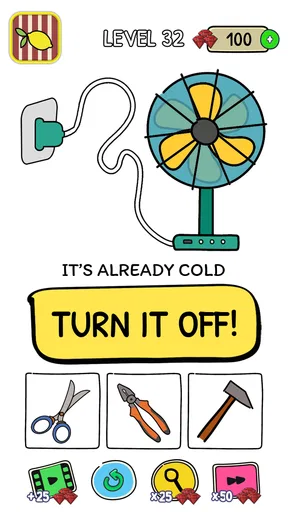
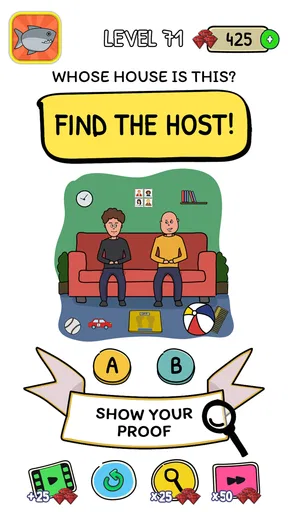
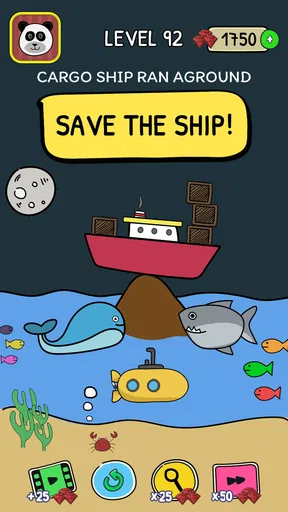
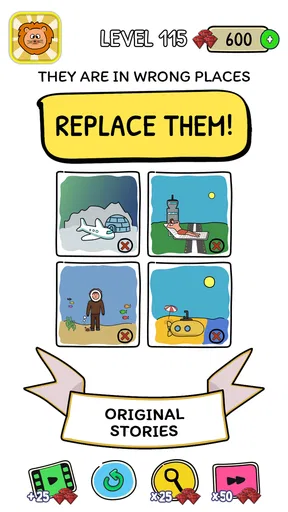
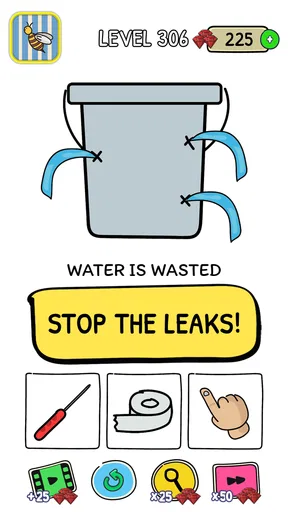
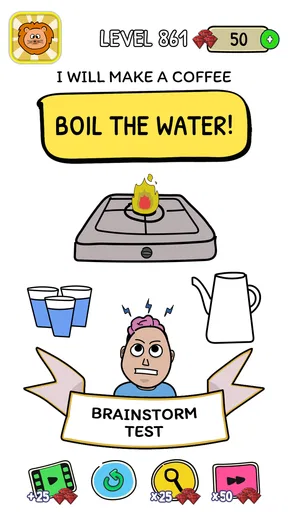
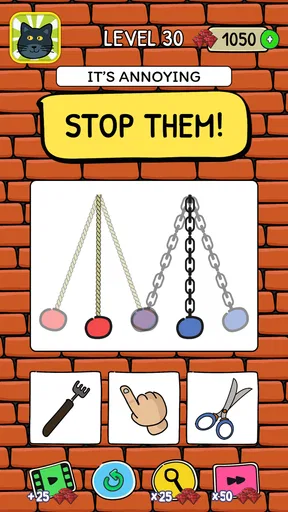
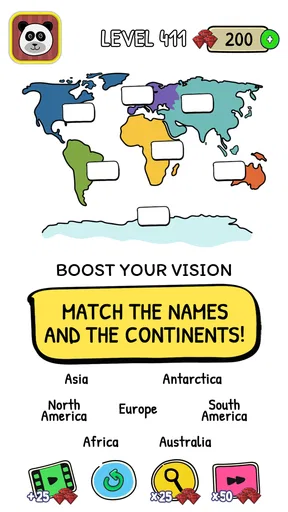
 Analysis by AppCompare
I tend to reach for a puzzle game when I have a few spare minutes but don’t want to spend them scrolling. Brainstorm Test: Tricky Puzzle suits that mood: it’s a trivia-style game built around short challenges that ask you to look beyond the most obvious answer. I like that the appeal is not simply getting questions right; the fun comes from noticing when a puzzle is trying to steer your thinking in an unexpected direction.
That makes it a good fit for a quick break, a quiet moment at home, or a friendly challenge with someone nearby. It is less suited to anyone looking for a long story, a deep strategy system, or a conventional quiz focused on memorizing facts. I’d approach it as a playful test of attention and flexible thinking, rather than as a serious measure of intelligence.
A simple routine for getting started
When I open the game, I start with a fresh puzzle and read the prompt once without tapping immediately. Then I look at the whole screen, including the illustration and any small visual details, before deciding what the question is really asking. That pause is useful because tricky puzzles often reward a second interpretation more than fast reactions.
If my first answer fails, I try to identify the assumption behind it. Am I treating a drawing as a literal object? Am I reading a phrase too narrowly? Am I focusing on the most prominent part of the screen and ignoring something else? This small reset keeps me from repeating the same mistake with a slightly different tap. It also makes each solution feel earned, even when the puzzle turns out to be simpler than I expected.
What makes the puzzles work
The experience moves between different styles of challenge, so I don’t settle into one reliable formula. A visual prompt might call for careful observation, while a riddle may depend on interpreting its wording in an unexpected way. Some puzzles feel closer to brainteasers than to standard trivia, which is a strength if you enjoy lateral thinking but can be a mismatch if you came for a knowledge quiz.
The difficulty can rise as you progress, and that change gives the early levels a useful role: they help you get comfortable with the game’s playful logic before the challenges ask for more patience. I wouldn’t assume every level has one obvious clue. When I’m stuck, I find it more productive to change my point of view or reread the wording than to keep trying random answers.
Hints, pacing, and everyday use
The hint system is helpful when I have explored a puzzle and still can’t see a sensible next step. I prefer to use a hint after making a genuine attempt, rather than treating it as the first move. That way, it can nudge my attention without removing the satisfaction of working something out. If I’m playing with a friend, we can also compare interpretations first and save the hint for when both of us have run out of ideas.
Worth Reading Before You Choose

Flipboard Shows What News Apps Must Do Beyond the Feed

Switching to Android Auto Means Rethinking Your Driving Routine

Google Calendar Makes a Crowded Week Easier to Manage

Ludo King Makes the Most of the Minutes Between Plans

Baby Panda World Brings Quick Play to Modern Phones, but Its Game Library Feels Busy

ESPN’s Live Game View Makes Following Close Games Easier
Its short challenges make the game easy to fit around ordinary routines. I might play while waiting for someone or during a quiet break, then put it away when I need to focus on something else. For a longer session, I’d take pauses between difficult puzzles; stepping away can make a clue easier to notice when I come back. The game works best for me as a light mental diversion, not as a task I need to complete in one sitting.
Who should give it a try
If you enjoy wordplay, visual teasers, and questions that reward a change in perspective, this is an appealing option. It can also suit casual players who want more variety than a straight multiple-choice quiz, or people looking for a low-pressure game to share with a family member. The age rating is Everyone, which makes it broadly accessible, though younger players may still benefit from a little help with word-based puzzles.
I would skip it if you mainly want factual trivia, competitive head-to-head play, or a carefully structured campaign with a strong narrative. It also may not be your best choice if you dislike puzzles that can feel deliberately misleading. The point is often to challenge your first interpretation; if that style feels unfair rather than amusing, a conventional quiz or a more transparent logic game will probably be a better match.
First Impressions and User Interface
The first thing that caught my eye was the clean and colorful interface of Brainstorm Test: Tricky Puzzle. It’s bright and inviting, which immediately sets a playful tone. The home screen is easy to navigate, with options neatly laid out, making it straightforward to dive right into the puzzles. There's something quite satisfying about how smoothly everything transitions, and I never felt lost or overwhelmed by options.
Playing the Game
Once you start playing, you’ll realize this isn’t your typical puzzle game. Each level presents a unique challenge that often requires lateral thinking. The puzzles aren’t just about logic; they test your creativity and sometimes even your patience. One moment you might be solving a visual puzzle, and the next, a riddle that sounds simple but has a twist. It's this variety that keeps the game fresh and engaging.
As I progressed, I was pleasantly surprised by the increasing difficulty of the puzzles. They start off deceptively easy but quickly ramp up in complexity, ensuring that players of all skill levels are constantly challenged. It's like the game knows exactly how to keep you hooked without making you feel frustrated.
Features That Stand Out
One of the standout features of the app is its hint system. If you ever find yourself stuck, you can use hints that guide you without giving away the solution entirely. This means you get just enough help to push you in the right direction, but you still get the satisfaction of solving the puzzle on your own. The hints are a lifesaver for those tricky moments when you just can't see the answer.
Another highlight is the variety of puzzles. From math problems to optical illusions, and even some that seem to defy logic, there's something for everyone. The game also includes daily challenges and rewards, which add an extra layer of motivation to keep coming back every day.
Settings, habits, and a fair comparison
For practical setup, I’d check the device’s system settings before settling into a session: make sure the screen is comfortable to read and that sound is set the way you prefer. I don’t assume a particular in-game control or accessibility option is available; the reliable habit is simply to make the phone comfortable for looking closely at small visual clues. If I’m playing in a waiting room or beside someone who is resting, I keep the session short and avoid relying on audio.
A useful repeatable pattern is to separate observation from answering. First inspect the prompt, then say aloud what you think it literally shows, and finally ask what alternate reading could fit. With another person, take turns proposing interpretations rather than both tapping at once. That prevents one player from rushing ahead and turns a solo brainteaser into a low-key conversation without needing a competitive mode.
Compared with a standard trivia app, this game puts less weight on recalling dates, names, or general knowledge and more on noticing a twist. Compared with a formal logic-puzzle game, it feels more playful and varied, but the trade-off is that an unexpected answer can sometimes seem arbitrary until you see the intended angle. I’d choose it for a casual change of pace, not when I want a rigorous puzzle with every deduction clearly laid out.
Where the friction shows
The same surprise that keeps the game lively can also be its main source of friction. If I miss the intended interpretation, I may feel that I need to guess what the designer had in mind rather than solve a fully signposted problem. I handle that by checking the wording and image again before using a hint. If the clue still feels opaque, I take the nudge and move on instead of turning a short break into a test of patience.
Hints also change the experience: they are useful for getting unstuck, but leaning on them too quickly can make the answer feel less like my own discovery. I treat them as a last step after trying a literal reading, an alternative reading, and a close look at the visual details. That simple limit keeps the game enjoyable without pretending every puzzle will click immediately.
Brainstorm Test: Tricky Puzzle is free to play, with optional in-app purchases ranging from $1.99 to $29.99 per item. The developer is Tribom Games, and the game has an average rating of 4.5 from around 14,000 ratings, with over 500,000 installs. It was released on May 26, 2023; version 1.1.22 requires OS 8.1 or later. Those details make it easy to judge whether it fits your device and spending preferences, but I’d still treat purchases as optional rather than necessary to enjoy the basic puzzle experience.
One question I’d ask before downloading is whether it will run on my phone; the practical check is the OS requirement, which is 8.1 or newer. Another is whether it suits a child: its Everyone rating is reassuring, while the wordplay may make some challenges easier with an adult nearby. If you’re wondering whether it can replace a daily trivia routine, I’d say only if you prefer lateral-thinking puzzles to fact recall. And if you’re unsure about paying, the free entry point lets you try the style before deciding whether any optional purchase is worthwhile.
Why You'll Love It
If you're someone who loves a good brain workout, then this app is definitely for you. It’s not just about solving puzzles; it’s about enjoying the process and feeling that little rush of dopamine when you finally crack a tough one. Plus, it’s a fantastic way to kill time while keeping your mind sharp.
For me, the addictive nature of the game lies in its ability to surprise you. Just when you think you’ve figured out the kind of challenges the game throws at you, it switches things up and keeps you guessing. This unpredictability is what makes it so engaging and fun to play.
Final Thoughts
In conclusion, Brainstorm Test: Tricky Puzzle is an app that delivers exactly what it promises: a fun, challenging, and rewarding experience. It’s perfect for those moments when you need a quick mental challenge or when you have time to dive into something more substantial. Whether you’re a puzzle enthusiast or a casual gamer looking for something different, this app is a must-try.
So, are you ready to put your brain to the test? Download it now and see how far you can go. Trust me, your brain will thank you.
Pros
- Engaging puzzles that challenge logical thinking.
- Creative design with vibrant
- appealing visuals.
- Regular updates with new levels and challenges.
- User-friendly interface that's easy to navigate.
- Can be played offline
- perfect for travel.
Cons
- Some puzzles can be frustratingly difficult.
- Ads can interrupt the gameplay experience.
- Limited hints available without purchase.
- Sound effects can be repetitive over time.
- Requires significant storage space on device.
FAQs for Brainstorm Test: Tricky Puzzle
What is Brainstorm Test: Tricky Puzzle?
Brainstorm Test: Tricky Puzzle is a mind-bending mobile game designed to challenge your problem-solving skills with a series of unconventional puzzles. Available for both Android and iOS, the game offers a fresh take on traditional brain teasers by requiring players to think outside the box to solve each level.
Is Brainstorm Test: Tricky Puzzle free to play?
Yes, Brainstorm Test: Tricky Puzzle is free to download and play on both Android and iOS platforms. However, it may contain in-app purchases and ads, which can enhance your gaming experience or provide additional hints if you find yourself stuck on a tricky puzzle.
What age group is suitable for Brainstorm Test: Tricky Puzzle?
Brainstorm Test: Tricky Puzzle is suitable for a wide range of age groups, typically from teenagers to adults. The puzzles are designed to be challenging yet accessible, making it a great game for anyone looking to sharpen their cognitive skills or simply enjoy a fun mental workout.
Does Brainstorm Test: Tricky Puzzle require an internet connection?
While Brainstorm Test: Tricky Puzzle can be played offline, some features, such as hints or additional levels, might require an internet connection. Additionally, if the game includes ads, an internet connection would be necessary to display them, unless you opt for an ad-free version.
How does Brainstorm Test: Tricky Puzzle enhance cognitive skills?
Brainstorm Test: Tricky Puzzle enhances cognitive skills by challenging players with unique puzzles that require creative thinking and problem-solving. The game encourages lateral thinking, improves memory retention, and boosts logical reasoning, making it both an entertaining and educational experience.


